Pharmacy. Meet Joseph Conteh
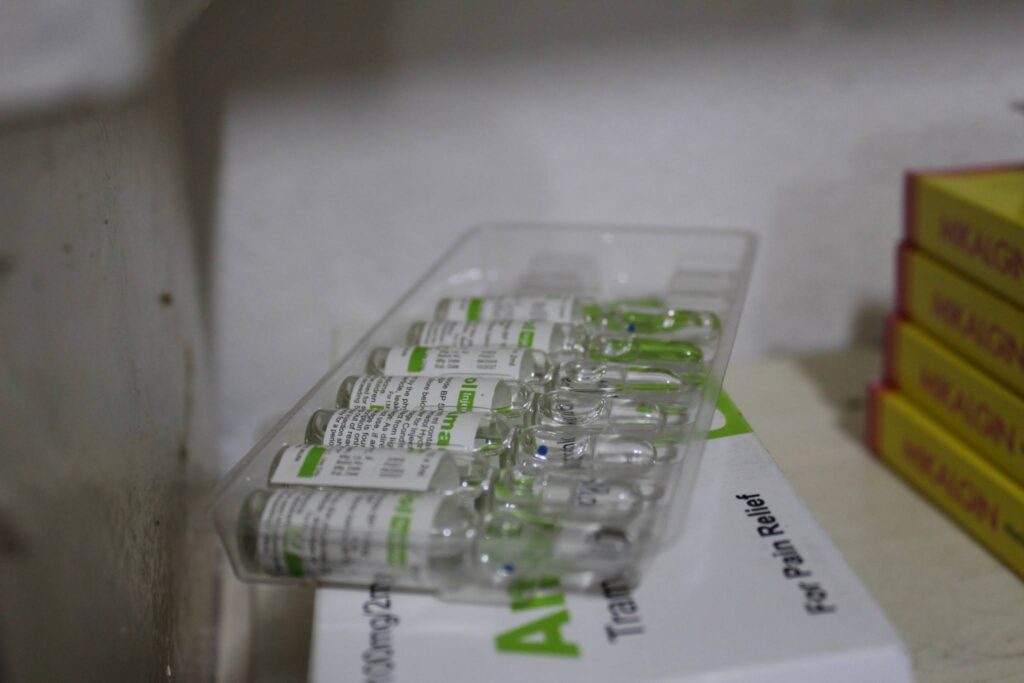
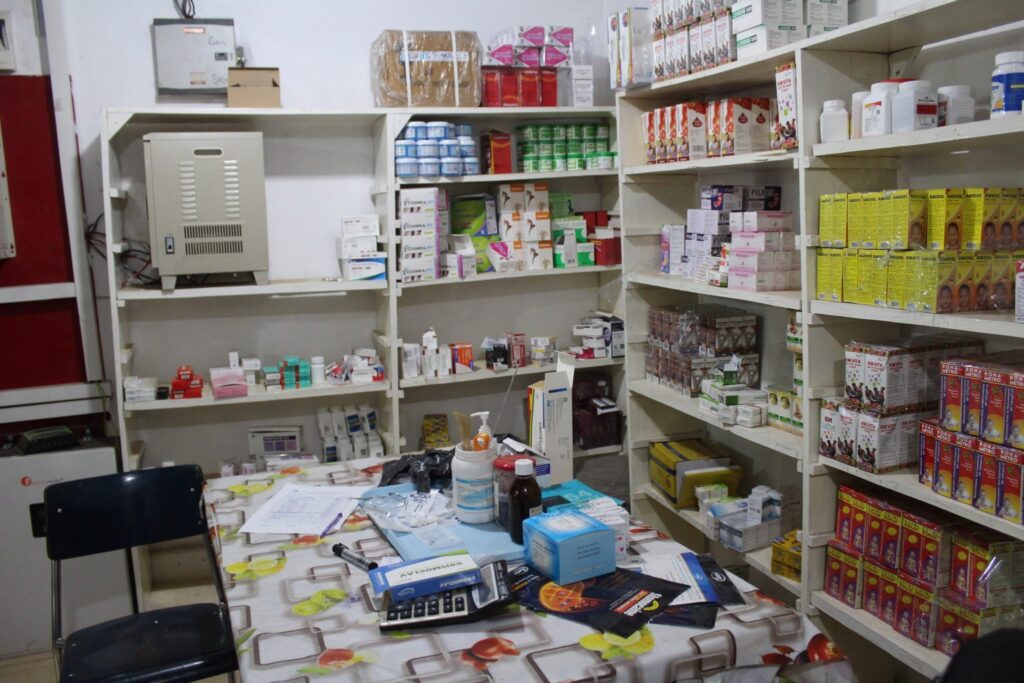
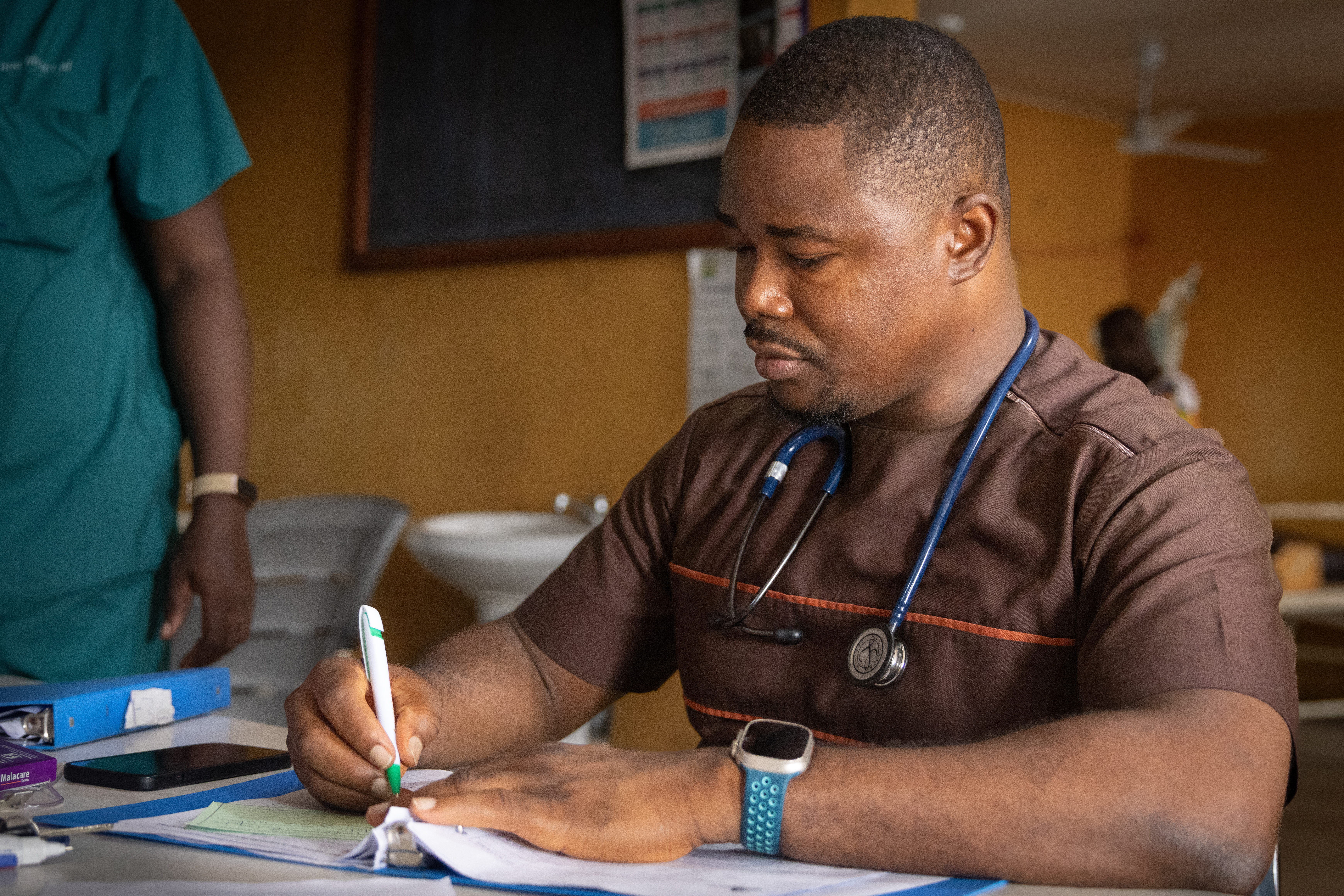
Meet Joseph Conteh. If you need any consumables within the hospital he is more than likely one of the staff you would talk to. The pharmacy not only dispenses all the medications for the hospital, but also needles, oxygen administration supplies, syringes, foley catheters, and so much more.
Joseph came to work for ADRA straight out of nursing school. “I came because this is where I got a job,” he explained. Although the need is great for healthcare workers here in Sierra Leone, it is paradoxically difficult for graduates to obtain jobs upon graduation, largely due to challenges that can plague an emerging economy. When Joseph first came, he worked on the wards caring for both adults and children. But about a year and a half back, the head of the pharmacy, Rachel, requested that he be transferred to the Pharmacy. At first, Joseph found the transition difficult, but thanks to a week of intensive training in the pharmacy, he started to find his footing. Initially, it was difficult to learn all the locations of medications and handle the computer system. “I had to learn how to enter everything correctly and not make mistakes.” Watching him work today, you would never know it was a struggle at first. A student nurse hands him the file and he quickly and easily fills the medication and supply order, chatting with the nurses as he works. But in his mind, learning never ends. Sometimes new medications come in and it’s always important to keep up-to-date on the current medications. When patients come to pick up their medications he needs to explain how to properly take the medications. Although he speaks English, Krio, and Temne, there are still many other common languages, such as Fula, Susu, and Mende, that he does not speak. In those cases he has to work through a translator.
Although Joseph enjoyed working in the ward, he enjoys working in the pharmacy even more. Thinking back to his internship in the government hospital he can see the huge difference between the resources available here versus at government hospital. “Here there is better quality care, we have more medicine and there is better attention to the patients,” Going on, he explains that government hospitals often do not have enough drugs and supplies in their pharmacies. Hospitalized patients must buy not only medications outside the hospital, but also essential medical supplies such as needles and syringes which are needed by nurses for patient care. Although we might not have every medication here, we are thankful for the supply we do have. When asked what his favorite part of working in the pharmacy was, Joseph didn’t even get a chance to answer. Simeon, standing nearby, interjected, “The food! The pharmacy is a hub, whenever anyone has something to share, they bring it to the pharmacy.” The pharmacy is not only a hub of community within the hospital but also a vital hub for patient care.